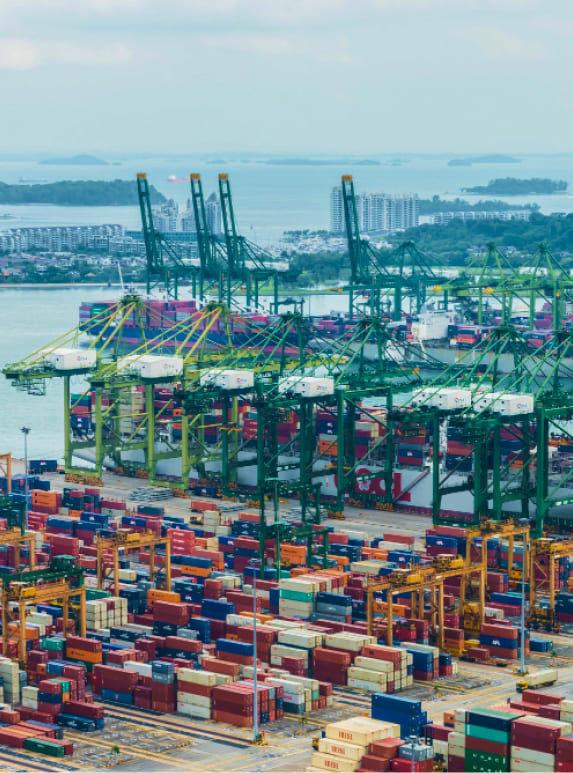
An MTO (Multimodal Transport Operator) provides transportation of goods using at least two different modes for a single shipment by taking full responsibility from origin to destination. This service also ensures that your cargo travels unhindered through sea, air and surface freight.
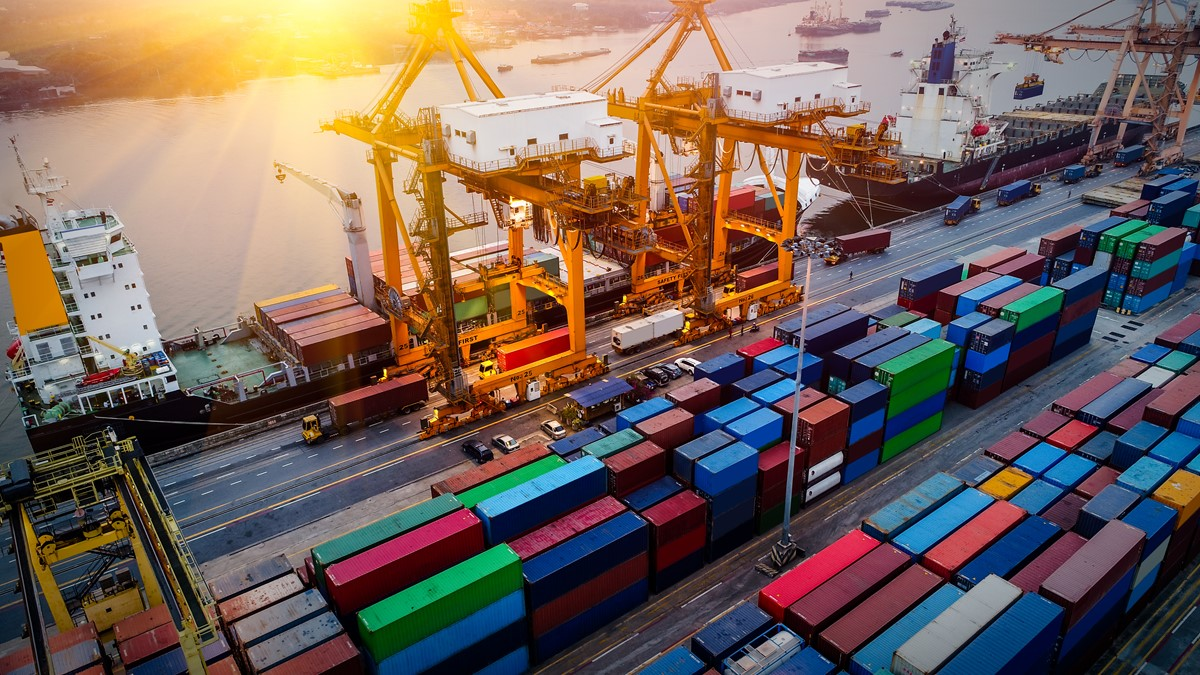
As an MTO, Shaan’s Cargo takes full responsibility for your shipment from pickup to delivery alternatively coordinating at least two different modes of transport. This guarantees seamless cargo movement and consolidated management with less paperwork, delays and risks.
As an NVOCC, Shaan’s Cargo operates as a trusted intermediary in ocean freight where we lease vessel space from shipping lines, consolidating shipments, issuing bills of lading and facilitating smooth EXIM process.
INTEGRATED LOGISTICS MANAGEMENT
Our one-stop MTO service covers all transportation modes and also ensures efficient coordination and control throughout the supply chain.
EXPERT CARGO CONSOLIDATION
Shaan’s experts consolidate your shipments less-than-container loads effectively, which optimize cost and transit times for small to medium-sized shipments.
GLOBAL NETWORK & LOCAL EXPERTISE
We are backed by a strong agency network across global with deep knowledge of indian and international regulations. We tailor solutions to your needs uniquely.
RISK MITIGATION AND RELIABILITY
With the help of professional handling, insurance advisory and compliance expertise– we minimize shipping risks and assure dependable delivery.
An MTO offers multimodal solutions (multiple transport types under one contract), while an NVOCC is a “carrier to shippers” and “shipper to carriers,” issuing its own bill of lading but usually specializing in ocean freight, without owning vessels.
Using an MTO simplifies logistics by offering “one-stop” coordination, reducing operational complexity, combining all shipment modes under a single point of responsibility, minimizing handling/risk, and ensuring better cargo visibility and compliance.